CPWR UPDATE
From the Desk of Chris Trahan Cain, Executive Director

January 2026

Start the Year by Improving Safety Training

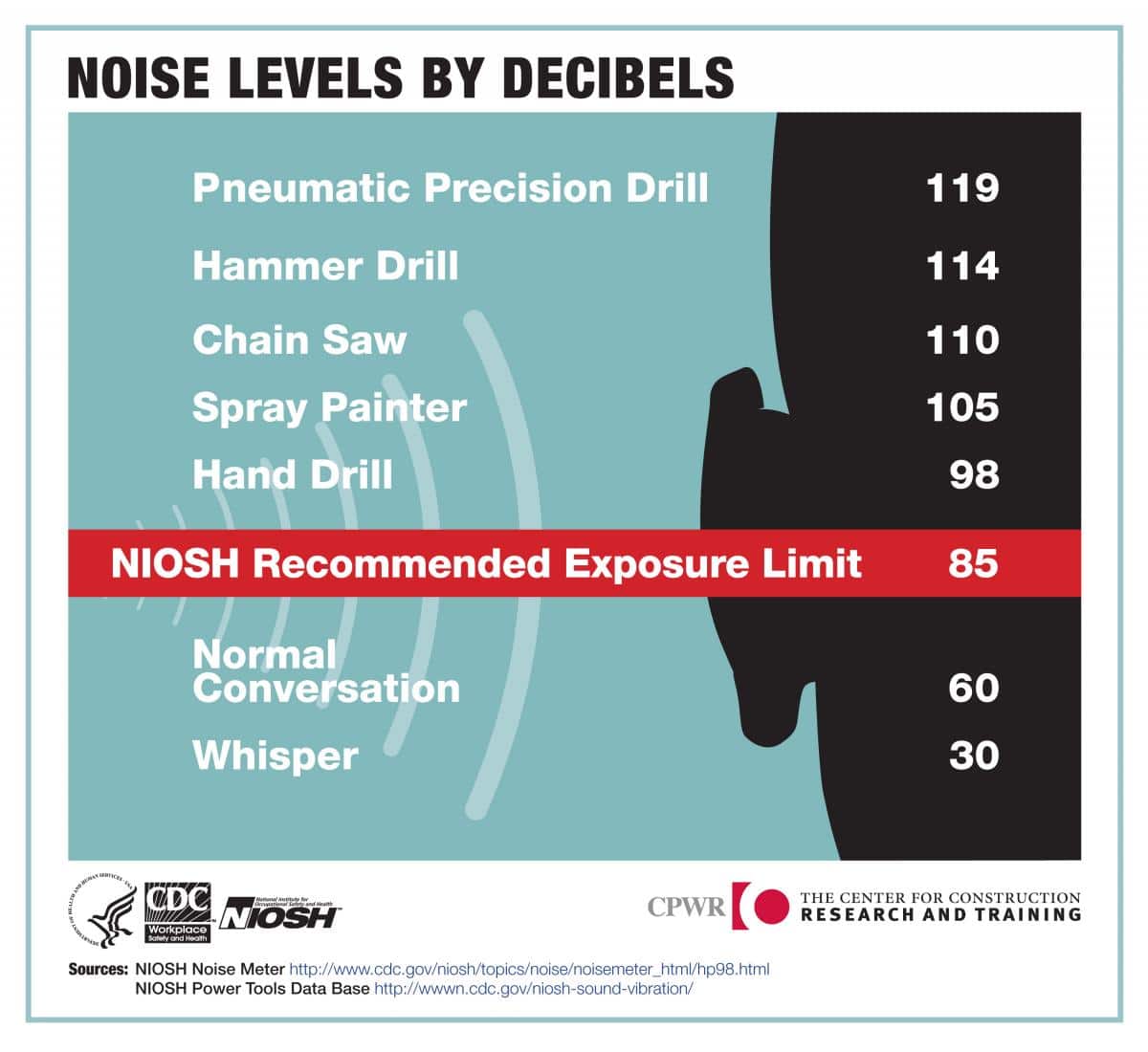
More than a million workers have already benefitted from one or more of CPWR’s free, research-based training and awareness programs. These programs cover key hazards and topics, including ergonomics, falls, hearing protection, opioids, radiofrequency radiation, and safety culture/safety climate. Materials such as guides for instructors and workbooks for students, videos, PowerPoints, and other resources help participants stay safer on the job, and many come in both English and Spanish.  

TOOLS FOR SAFETY AND HEALTH

Sign Up for REASON, a Newsletter on Preventing Deaths from Suicide and Opioids 

Construction workers account for 17% of overdose deaths among the U.S. working population, even though they are only about 8% of the U.S. workforce, and male construction workers die from suicide at almost twice the rate of working men overall. To help the industry prevent these deaths, NABTU and CPWR publish REASON (Resources and Effective programs Addressing Suicides and Opioids Now). This quarterly newsletter shares comprehensive solutions, important research, and free resources that highlight positive steps being taken. Subscribe now and read past issues.

RESEARCH NEWS

New CPWR Report Looks at Attitudes Towards Prevention Through Design

Evidence from other countries indicates that Prevention through Design (PtD) has the potential to reduce injuries and fatalities in the U.S. construction industry. Yet PtD’s adoption has been limited here, even though construction workers remain disproportionately likely to get hurt on the job. This report describes findings from two surveys—one among designers (architects and engineers) and one among owners—that looked at knowledge of and attitudes towards PtD, current use, and factors that would encourage its greater use. The surveys found that among both groups, a clearer understanding of PtD’s benefits and additional resources, such as case studies of its use, would increase adoption. In addition, designers said that more information about potential liability from implementing PtD would be helpful, and that they would be more likely to use PtD if project owners recommended or required it.


Share Your Experiences with Occupational Exposure to Forever Chemicals

A CPWR-supported research team at University of Massachusetts Lowell is examining the impact of hazardous chemical exposures—in particular, per- and polyfluoroalkyl substances (PFAS), also known as “forever chemicals”—on the health of painters and allied trades workers. As part of this study, the researchers are surveying workers on their activities, materials they use that might affect jobsite chemical exposure, and health conditions, and they are looking for volunteers to take their survey. Responding should take 20-30 minutes, and individual information will be kept confidential and will not be identified in any reports, presentations, and publications.  

NEWS & EVENTS

Webinars

CPWR Workshop Mini-Series: Getting the Most Out of CPWR’s Data Resources

Looking for better ways to use construction industry data to keep workers safe and healthy? As part of the release of the 7th edition of the Construction Chart Book, CPWR’s Data Center will be holding a series of virtual workshops to help you understand, interpret, and use industry data in your job. Each workshop (listed below) will provide an opportunity to submit questions in advance as well as to ask them during the live discussion. 


Connect directly with our Data Center team:

  • Amber Trueblood, DrPH, Director
  • William Harris, MS, Research Analyst
  • Derek Dufoe, MS, Research Assistant


Note: Attending live is the best way to participate in these discussions, however all three workshops will be recorded and shared with everyone who registers.


January 21st at 2:00 p.m. ET

Workshop 1: Using the Chart Book and Accompanying Data Dashboards to Support Intervention and Prevention Efforts

In this workshop, the Data Center team will provide a brief overview of the 7th edition Construction Chart Book PDF and its accompanying interactive Data Dashboards, followed by a discussion of how these resources can be used to target interventions and prevention efforts. Learn more about using data to support conducting needs assessments, making a business case for implementing solutions, influencing workers, and developing resources. 


Register


January 27th at 2:00 p.m. ET

Workshop 2: Using the Chart Book and Accompanying Data Dashboards to Support Research

The second workshop is aimed at academics and others conducting occupational safety and health research in the construction industry. Learn how CPWR uses data to influence research and research to practice (r2p) priorities and how it can help obtain funding, develop and design studies, recruit study participants, and identify opportunities for r2p.


Register


January 29th at 2:00 p.m. ET

Addressing Data Center FAQs

If you’ve ever wondered where the Data Center draws data from, how they do the data collection, or why our publications sometimes lack helpful information like trade or source of injury, this is the workshop for you. The Data Center team will provide details on these methods and answer other common questions about the data and how to interpret it.


Register

Speaking Engagements

January 15, Austin, TX – Construction Mental Health Summit

11:00 a.m., 2:15 p.m. – Awareness (Prevention) Breakout Session

  • Jessica Bunting, Director, Research to Practice Program, CPWR


CPWR will be exhibiting at the MCAA, SMACNA, and TAUC Safety and Health Conference in Austin, January 12-15. 

CPWR in the News

The American Journal of Industrial Medicine Special Issue on Construction Safety, Concrete International, 12/5/25


CPWR: Construction Workers Exposed More to Harmful Substances, EHS Leaders, 12/15/25


Keep the cold out, Safety+Health Magazine, 12/29/25

Facebook  Twitter  Instagram  Linkedin  Youtube